
NanoCo lands $12 million seed funding, launches enterprise assistant built on NanoClaw
NanoCo announced a $12 million seed round, alongside the commercial launch of a professional assistant built on its open-source agent framework NanoClaw. Valley Capital Partners led the round. Docker, Vercel, monday.com, Slow Ventures, Clutch Capital, Factorial Capital, and Hugging Face CEO Clem Delangue participated.
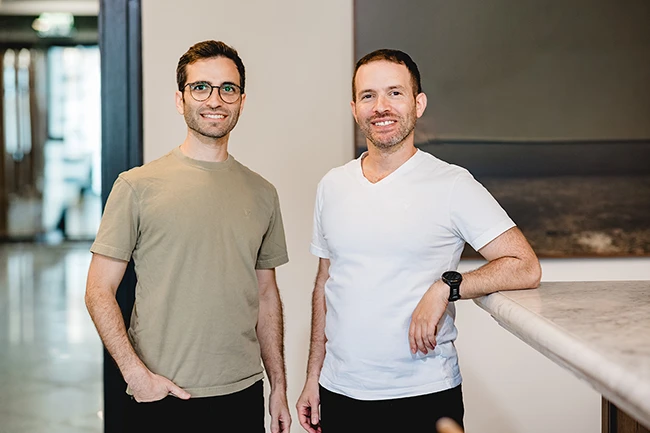
NanoCo founders (Photo by Ran Bergman)
From open source traction to enterprise product
NanoClaw launched as an open source project in February 2026. It has since collected nearly 29,000 GitHub stars and surpassed 250,000 downloads. Executives at Amazon, Gap, Google, Meta, SentinelOne, and Accenture run it personally. The Foreign Minister of Singapore, an early user, said his agent keeps “getting smarter over time” and that he won’t “dare switch it off.”
The enterprise product extends that personal use to entire workforces. The assistant operates inside Slack, Microsoft Teams, and other tools employees already use. It performs work directly, including drafting contracts for legal teams, managing accounts for sales teams, and reviewing code for developers. The system adapts to each employee’s role through conversation and retains context across projects, tools, and team relationships.
Co-founder Lazer Cohen told Help Net Security that enterprise executives running NanoClaw individually have been asking how to deploy it across their organizations. “They’ve figured out where the value actually lives: an agent has to be able to work inside the most sensitive parts of a business. Their email. Their customer records.”
Security architecture and deployment model
NanoCo deploys into customer infrastructure or hosts the assistant directly. Each agent runs in its own Docker-powered sandbox. Credentials never reach the agent. A gateway injects them at runtime and applies company-defined policies, working with existing secrets management and vault systems. Sensitive actions require human approval under access control rules the customer defines. Every agent action is logged and auditable across the organization. Agents can run on local models so sensitive data stays on company hardware.
Funding allocation and partnerships
Cohen said the company does not separate open source investment from enterprise product investment. A dedicated team member maintains the NanoClaw project and community, and feedback from production users of the open source framework feeds directly into the commercial platform. The revenue from NanoCo funds continued open source development.
The Docker and Vercel partnerships grew out of community contact. Oleg Šelajev, a member of Docker’s developer relations team, connected NanoClaw with Docker Sandboxes, and that work expanded into a formal partnership. An introduction to Vercel’s Guillermo Rauch led to both an investment and a partnership.
