
Noction adds automatic anomaly detection to IRP v4.3 for faster DDoS mitigation
Noction has released Noction Intelligent Routing Platform (IRP) v4.3, delivering new capabilities in automated DDoS detection, routing safety, and operational control for modern IP networks.
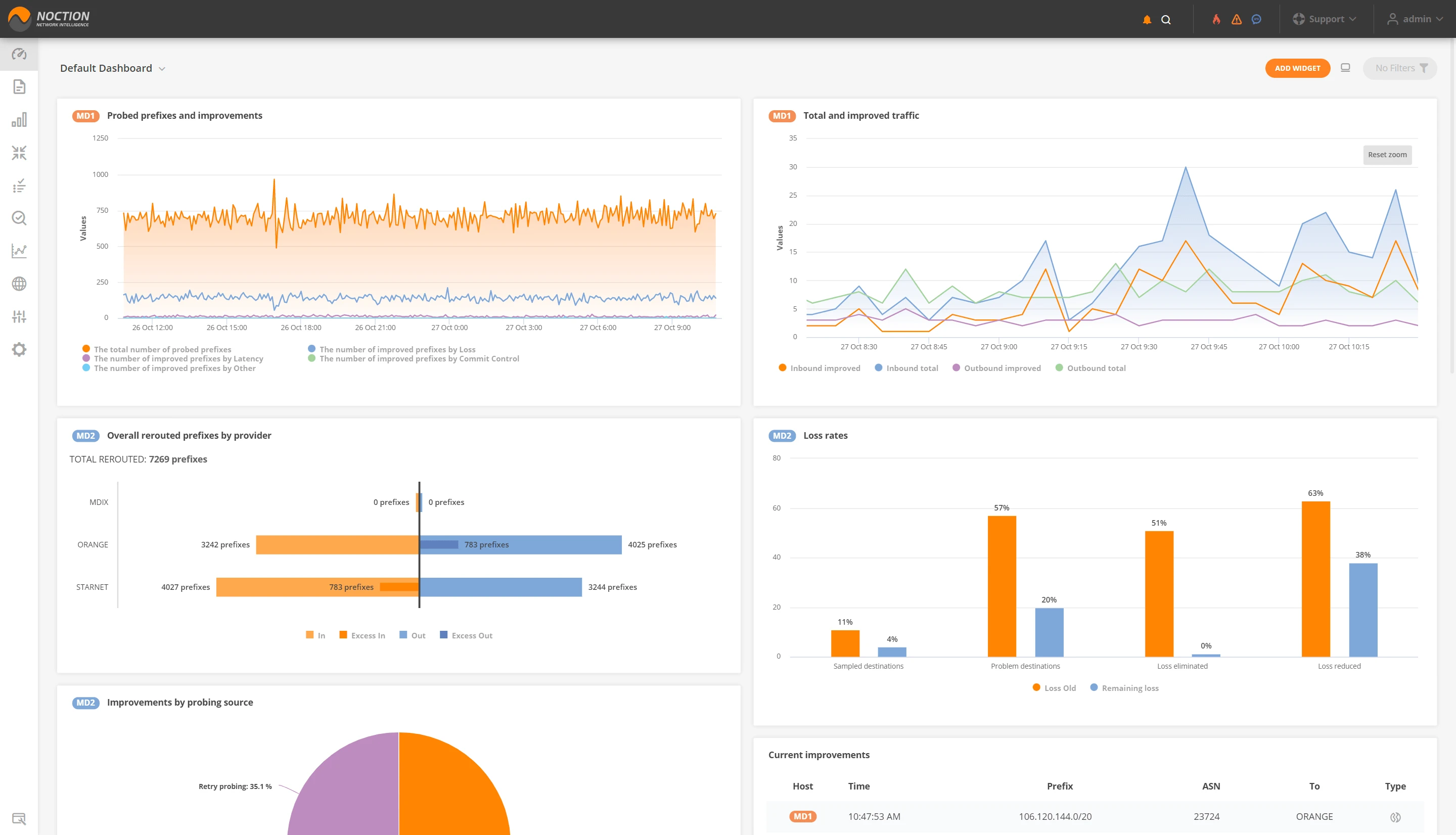
A key highlight of IRP v4.3 is the introduction of Automatic Anomaly Detection (AAD), a new capability designed to identify abnormal traffic behavior and mitigate threats directly at the network edge.
AAD continuously analyzes traffic patterns to detect deviations that may indicate attacks such as SSH floods, HTTP(S) floods, DNS amplification, Smurf attacks, ACK floods, and other volumetric or protocol-level threats. Once an anomaly is detected, IRP can automatically apply mitigation actions using routing-native mechanisms such as BGP FlowSpec filtering or traffic blackholing. Operators can choose between fully automated mitigation or moderated execution with operator review.
“With Automatic Anomaly Detection, we’re bringing behavior-aware threat protection directly into the routing control plane,” said John Strong, CEO of Noction. “Networks can now detect and respond to attacks in seconds, using the same routing mechanisms they already trust, without adding operational complexity or relying on external systems.”
IRP v4.3 also strengthens Commit Control, a core bandwidth management mechanism within the platform, by introducing Interface Monitoring.
Commit Control enforces bandwidth limits to ensure traffic shifts remain controlled and predictable. In real-world networks, physical conditions can change as interfaces fail, bonded links degrade, or available capacity is reduced without immediate visibility. Interface Monitoring continuously evaluates the operational state and capacity of provider-facing interfaces, allowing Commit Control decisions to align with actual physical availability.
This enhancement helps prevent overcommitment during partial outages and ensures routing changes are applied safely even when physical network conditions change unexpectedly.
Alongside the major features above, IRP v4.3 includes a range of improvements across monitoring, usability, security, and troubleshooting, including:
- Added support for configuring the re-probing interval on a per–Routing Policy basis
- Expanded MTR troubleshooting with ICMP, UDP, and TCP protocol selection
- Improved login security through client-side encryption of user passwords
These updates further strengthen IRP’s reliability, security posture, and day-to-day operational usability.
