research

AI might be the answer for better phishing resilience
Phishing is still a go-to tactic for attackers, which is why even small gains in user training are worth noticing. A recent research project from the University of Bari looked …

How researchers are teaching AI agents to ask for permission the right way
People are starting to hand more decisions to AI agents, from booking trips to sorting digital files. The idea sounds simple. Tell the agent what you want, then let it work …

What 35 years of privacy law say about the state of data protection
Privacy laws have expanded around the world, and security leaders now work within a crowded field of requirements. New research shows that these laws provide stronger rights …

LLM privacy policies keep getting longer, denser, and nearly impossible to decode
People expect privacy policies to explain what happens to their data. What users get instead is a growing wall of text that feels harder to read each year. In a new study, …

LLM vulnerability patching skills remain limited
Security teams are wondering whether LLMs can help speed up patching. A new study tests that idea and shows where the tools hold up and where they fall short. The researchers …

The hidden dynamics shaping who produces influential cybersecurity research
Cybersecurity leaders spend much of their time watching how threats and tools change. A new study asks a different question, how has the research community itself changed over …

AI agents break rules in unexpected ways
AI agents are starting to take on tasks that used to be handled by people. These systems plan steps, call tools, and carry out actions without a person approving every move. …

New image signature can survive cropping, stop deepfakes from hijacking trust
Deepfake images can distort public debate, fuel harassment, or shift a news cycle before anyone checks the source. A new study from researchers at the University of Pisa …

NVIDIA research shows how agentic AI fails under attack
Enterprises are rushing to deploy agentic systems that plan, use tools, and make decisions with less human guidance than earlier AI models. This new class of systems also …

Building the missing layers for an internet of agents
Cybersecurity teams are starting to think about how large language model agents might interact at scale. A new paper from Cisco Research argues that the current network stack …

A day in the life of the internet tells a bigger story
On any given day, the internet carries countless signals that hint at how networks behave behind the scenes. Researchers from RIPE NCC and several universities found a way to …
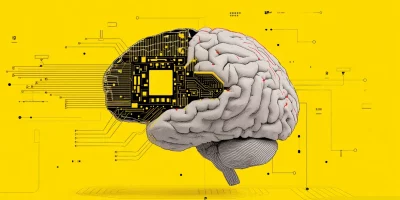
AI vs. you: Who’s better at permission decisions?
A single tap on a permission prompt can decide how far an app reaches into a user’s personal data. Most of these calls happen during installation. The number of prompts keeps …
Featured news
Resources
Don't miss
- CISA flags new exploited NetScaler flaw as attackers crash appliances (CVE-2026-88779)
- Out-of-band Exchange Server update fixes high-severity mailbox access bug (CVE-2026-96940)
- Detained ShinyHunters hacker reportedly helping FBI track down fellow members
- AI slop submissions force Google to freeze its open-source bug bounty
- Three questions a hospital CISO should ask a healthcare fintech vendor