
Product showcase: Session, a messenger without phone numbers or metadata
Instant messaging has been around for decades, but it became widely adopted with the emergence of smartphones. Earlier, communication was limited to basic text messages. Messaging expanded to include photos, videos, and video calls without relying on telecom networks, as long as there is a reliable data connection.
Privacy and metadata concerns
With the growth of communication, privacy and security concerns became more prominent. Companies responded by encrypting message content to protect user data. End-to-end encryption improved privacy, but it does not address metadata collection by companies or state-level actors. Metadata can include IP addresses, phone numbers, timestamps, message frequency, and relationships between users.
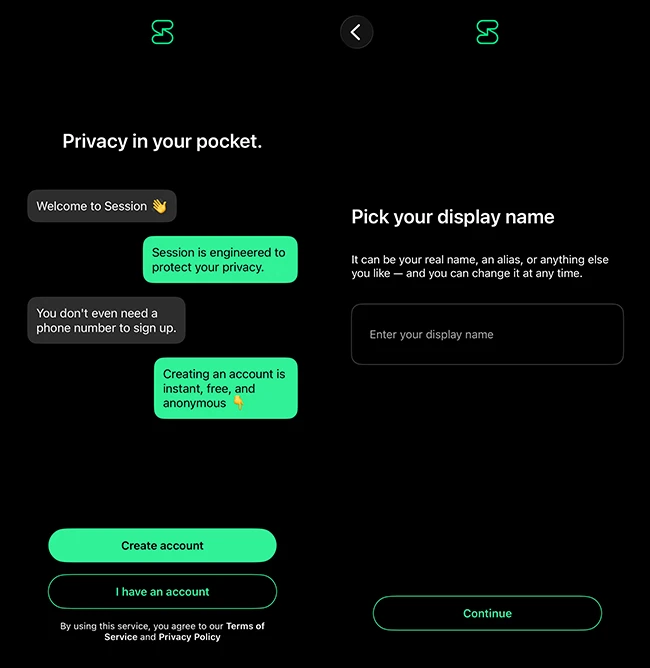
Session focuses on reducing metadata exposure and does not require a phone number, email address, or any personal identifier when creating an account. Users are assigned a random ID and can choose pseudonyms. The app uses onion routing, which makes it difficult to link IP addresses to accounts or trace sent and received messages.
Decentralized network and message handling
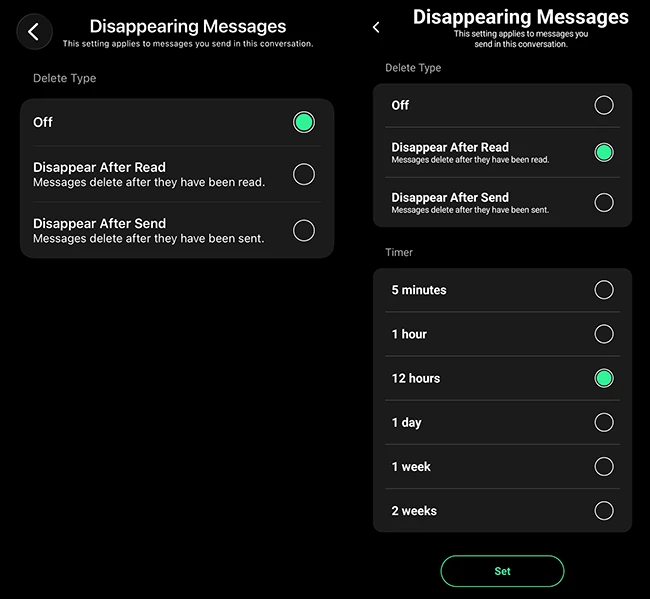
The platform does not rely on central servers and uses a decentralized network of incentivized nodes to handle message routing and temporary storage. For features that are harder to decentralize, such as large file transfers or large group channels, users can host infrastructure themselves. Encryption and metadata protection remain in place in these cases. Session also supports disappearing messages, giving users control over how long conversations are kept.
Session is an open-source, free messaging application based on public-key cryptography. It includes standard messaging features such as group chats, multi-device syncing, offline message storage, and support for voice and video calls.
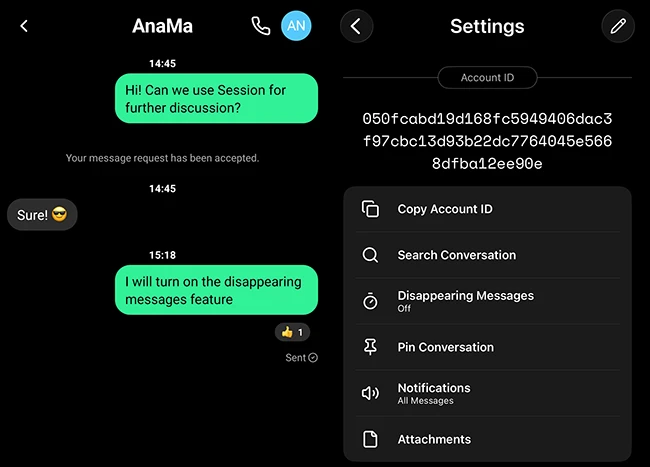
The application runs on both mobile and desktop devices across major platforms. Users can connect by sharing their Session ID or scanning a QR code.
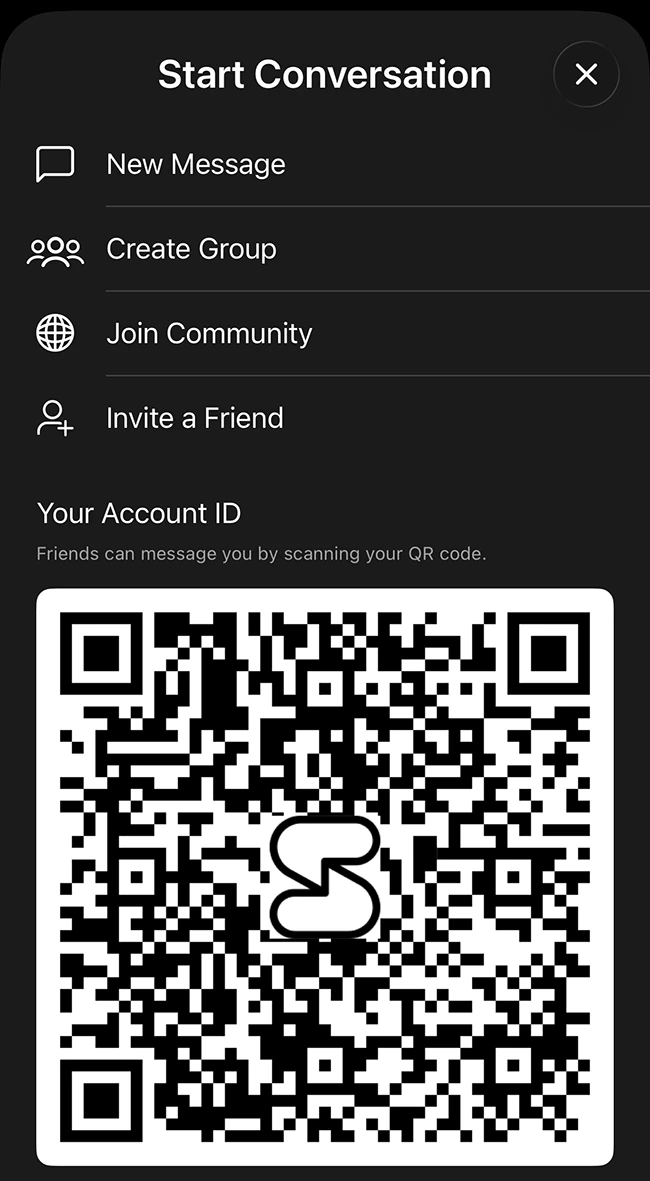
The first message or group invitation will be interpreted as a message request and sorted into a separate folder so users can decide if they will accept or deny further messages. If accepted, conversation moves to main conversations screen.
Account restoration
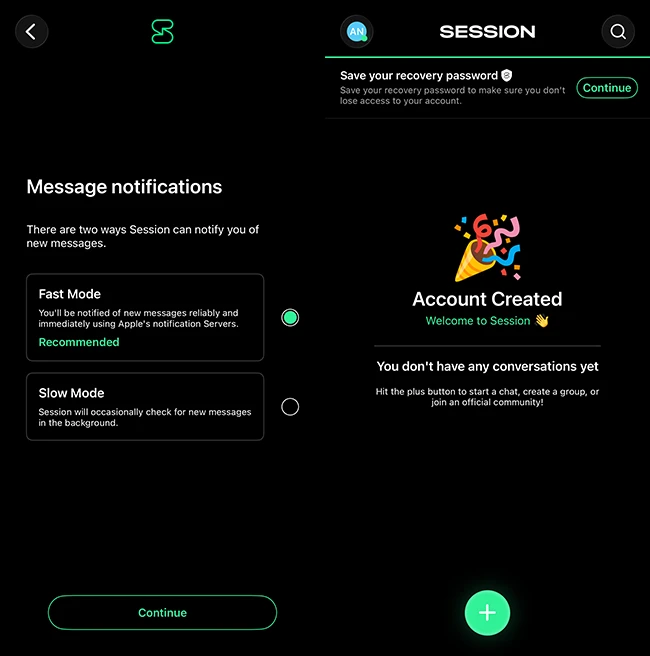
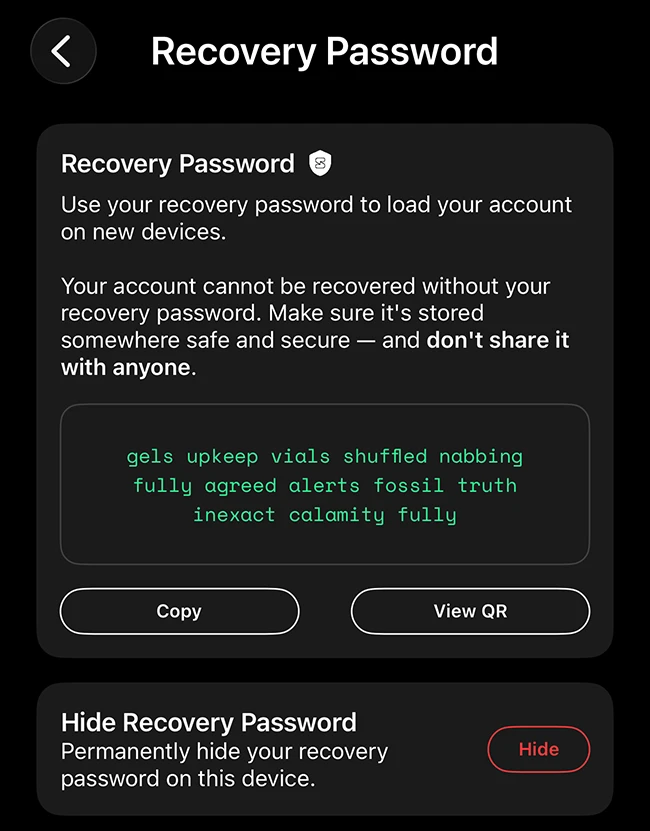
Since there is no central server storing account data, users are responsible for saving their account credentials. During setup, Session provides a mnemonic seed phrase that represents the user’s private key. This phrase can also be viewed as a QR code and is required to restore access to the account.
Final thoughts
Session is intended for users who require private communication without linking activity to personal identifiers. Its decentralized design, custom protocol, and metadata protections define its approach. The product focuses on delivering standard messaging capabilities within a network that reduces data collection and distributes control across its participants.
