
Cybercriminals speak the language young people trust
Criminal groups actively recruit, train, and retain people in structured ways. They move fast, pay in crypto, and place no weight on age.
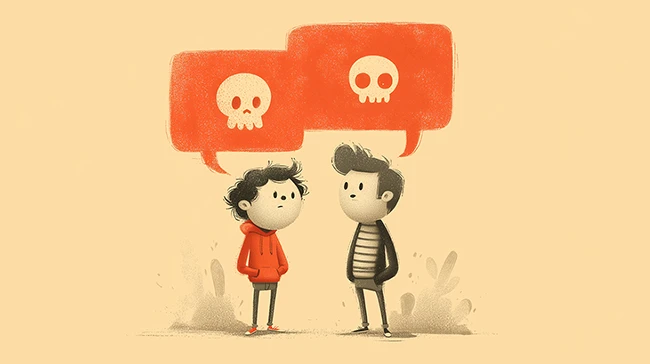
Young people are dealing with a new kind of addiction. It isn’t drugs, alcohol, or gambling. It’s screens. Constant time online chips away at attention, confidence, and judgment, and pushes young people toward views and choices that don’t always work in their favour.
Children are drawn into organized crime for many reasons, often tied to attention, belonging, and a sense of worth. Risk increases when children grow up with unstable family situations, exposure to crime, or limited support. Mental health issues, weak social skills, and early involvement in minor offenses can also raise vulnerability.
Recruitment language and tactics
Criminal networks often see young people as low-risk and easy to replace. Minors are easier to influence and exploit, and they tend to draw less attention from law enforcement.
Youth justice systems also handle them differently, which lowers the consequences they face. This creates distance between the crime itself and the people running the operation. Leaders stay harder to identify, track, and prosecute, while young recruits absorb much of the risk. If one minor drops out or gets caught, another can take their place, and the cycle continues.
Recruitment usually happens online. Criminal networks often reach out to children through popular social media apps like TikTok, Instagram, and Snapchat. Online recruitment gives these groups many advantages.
Encrypted messaging and privacy controls let them set up anonymous groups and private channels with little risk of being spotted. Messages can disappear, chat histories can be wiped, and access can be limited to approved members. This makes it hard for authorities to see what’s happening. Conversations can happen and vanish without leaving much behind.
They speak in language that feels familiar, use coded messages, and turn tasks into games. They show off money and status to make the lifestyle look attractive. Parents today juggle work and daily responsibilities, and in some situations social media fills gaps where guidance used to be. For young people who feel bored, isolated, or short on cash, this can be enough to draw them in.
Starting in childhood
Children as young as seven are getting pulled into cybercrime in the UK. Gaming spaces, online communities, and simple how-to videos make this kind of activity easy to stumble into. What once sat on the edges of the internet appears in places kids use every day.
Discord plays a key role in recruiting young people into cybercrime. It feels familiar and social, often starting around gaming or shared interests, which builds trust and lowers suspicion. Private servers let recruiters control access, assign roles, and move young users from casual chats into restricted channels where tools and tasks are shared.
Former cybercriminals say many young recruits do not understand they are breaking the law when they first get involved. Early tasks can feel small and low risk. Some are pulled into acting as money mules, using their bank accounts to move stolen funds tied to phishing or WhatsApp scams. By the time they understand what is happening, the consequences can be serious and long-lasting.
Interviews with people convicted of cyber offenses in the UK and Switzerland found that many began with risky online behavior at a young age. Over time, some moved into identity theft, financial fraud, and other serious crimes.
A teenage boy was arrested in connection with a cyberattack that disrupted multiple Las Vegas Strip casinos. The case has been linked to the Scattered Spider group, which is often cited as an example of how young hackers have become involved in serious cybercrime.
In some cases, recruitment starts with fake job ads posted online. These ads promise easy money, flexible hours, and training, with pay in cryptocurrency, and many middle and high school students respond to them. The scheme is tied to a loose network of groups known as “The Com,” and teens are often given risky roles like making social engineering calls while more experienced criminals stay behind the scenes.
A group of young hackers has claimed responsibility for the attacks on Co-op and Marks & Spencer. In late 2025, police in the UK arrested two 17-year-old boys after a cyberattack hit a chain of nurseries in London. The hackers, calling themselves Radiant, stole personal data including the names, addresses, photographs, and contact details of about 8,000 children and their families and tried to extort a ransom in Bitcoin.
Punishment misses the point
Cybersecurity and hacking skills are not the problem. Many of these skills are useful and worth learning. The issue is that young people often learn them without guidance, then decide on their own how to use them.
Legal paths rarely offer the same attention or rewards. A teenager can gain status, praise, and money online much faster through hacking than through an apprenticeship or entry-level job. That kind of independence is appealing, especially to young people who want control over their time and choices.
Young people involved in cybercrime are technically capable. Treating them only as offenders misses that point. Better outcomes often come from giving them structured ways to use those skills, such as coding challenges, ethical hacking programs, or security competitions.
“Educators should embrace students’ desire to break free and encourage them to hack, tinker, and break things in legal ways,” said Keren Elazari, an internationally recognized security analyst, author, and researcher.
Skills in coding, programming, gaming, and cybersecurity are in demand across industries. Careers exist for people who build these skills early, but those paths are not always visible or easy to access.
Parents and caregivers need to pay attention to the difference between healthy interest and early signs that online activity is drifting into cybercrime.