
Passwordless is finally happening, and users barely notice
Security teams know the strain that comes from tightening authentication controls while keeping users productive. A new report from Okta suggests this strain is easing. Stronger authentication methods are gaining traction, and many of them let users move through sign in flows with less effort than before. The report indicates that the long held belief that better security slows people down is becoming less relevant as these methods improve both protection and usability.
MFA growth continues, but coverage gaps remain
MFA adoption across the workforce continues to rise. Most regions and industries have moved into a stable growth pattern, although some gaps remain among large organizations and sectors with dispersed workforces. Retail and transportation continue to lag, but both show improvement because recent attacks have exposed the risks tied to weak authentication.
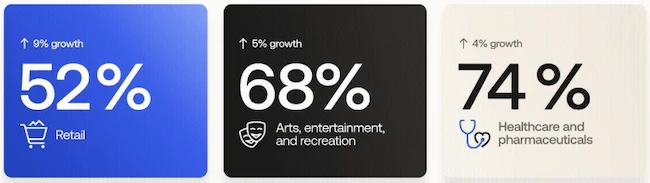
Smaller organizations still achieve higher MFA usage than very large ones. Complex legacy environments can slow progress, though mid sized companies are now improving as they adopt more centralized identity systems.
Passwordless and phishing resistant methods gain traction
The strongest shift appears in higher assurance authenticators. Device based cryptographic methods are seeing momentum. Many organizations are turning to these options because they strengthen access without adding burden on users.
Traditional methods are fading. Reliance on SMS is decreasing, and password usage is slowly dropping as companies diversify their authentication mix. A small but notable share of users now complete all sign ins without a password, which shows that passwordless workflows are becoming a practical choice rather than an emerging trend.
Usability and security are moving in the same direction
For years, many believed that stronger authentication always created more friction. Recent evidence challenges that view. Researchers compared different authentication approaches by looking at speed, failure patterns, and resilience against common attacks. Security practitioners helped weigh the importance of each metric.
The highest scoring methods are those that rely on signals and actions users already perform in their daily routines. Older approaches, including passwords, emailed codes, and security questions, fall into the lower range for both usability and protection. Many teams recognize this pattern in their own environments. When sign in steps feel cumbersome, users push back and support workloads increase.
The findings show that stronger approaches can reduce risk and lower frustration at the same time.
The pressure behind the shift
This shift does not stem from a single influence. Regulators across APAC are raising expectations around digital identity. Several industries have seen breaches that highlight the danger of weak factors. Large technology providers are preparing to enforce MFA for sensitive roles. Together, these forces create an environment where stronger authentication is not only encouraged but expected.
Help desks and administrators are also feeling the benefits of change. Password resets drain time and attention, and inconsistent prompts confuse users. Newer factors reduce these issues and streamline sign in procedures, which helps with internal adoption.
What security practitioners can take from this
Programs run by security practitioners succeed when they support both protection and productivity. The findings suggest that current authentication approaches make that alignment easier. Stronger methods shorten sign in time and reduce the number of manual steps users must take. They also standardize access across devices, which lowers support needs.
Practitioners planning their next phase of MFA rollout may benefit from shifting focus toward replacing older methods rather than expanding them. Users adopt secure methods more readily when those methods feel simpler and quicker.
Passwordless access is still early, but the trend is taking shape. Progress comes from pairing policies with user focused design. The improvements happen when teams remove steps rather than add them.
